






+918048047034

DRGURSIMRANDHALIWAL https://www.drgursimrandhaliwal.in
Preview

This is your website preview.

Currently it only shows your basic business info. Start adding relevant business details such as description, images and products or services to gain your customers attention by using Boost 360 android app / iOS App / web portal.

918899600001

Treatments

Hydrosalpinx: Causes, Symptoms, Diagnosis, and Treatment Options Hydrosalpinx is a common condition that significantly impacts a woman’s fertility. It is one of the leading causes of infertility and is often associated with blocked or damaged fallopian tubes, making it difficult for women to conceive. For women in Chandigarh, Mohali, and Amritsar facing challenges in conception, it’s crucial to understand the causes, symptoms, diagnosis, and treatment options for hydrosalpinx.What is Hydrosalpinx?Hydrosalpinx refers to a condition where one or both of a woman’s fallopian tubes become blocked and filled with fluid. These tubes are essential in the reproductive process as they carry the egg from the ovaries to the uterus, where fertilization by sperm occurs. In the case of hydrosalpinx, the blockage or fluid buildup prevents the sperm from meeting the egg, or if fertilization occurs, it prevents the embryo from traveling to the uterus, potentially leading to ectopic pregnancy (pregnancy occurring outside the uterus).Approximately 20-30% of infertility cases are attributed to issues related to the fallopian tubes, with hydrosalpinx accounting for about 10-20% of these cases. In such conditions, timely treatment becomes critical for improving the chances of conception.Symptoms of HydrosalpinxOften, hydrosalpinx does not exhibit any obvious symptoms, and many women may not realize they have it until they seek fertility treatment. However, some subtle signs that could indicate hydrosalpinx include:Pelvic Pain: Women with hydrosalpinx may experience pelvic pain, which can be more intense during or just after menstruation.Vaginal Discharge: Some women may notice a change in vaginal discharge, such as increased amounts, color changes, or a sticky consistency.Despite these signs, hydrosalpinx is frequently diagnosed when a woman faces difficulty conceiving.Causes of HydrosalpinxThe primary cause of hydrosalpinx is damage to the fallopian tubes, often due to an untreated pelvic infection. Some common causes include:Sexually Transmitted Infections (STIs): Infections such as gonorrhea and chlamydia can lead to inflammation and scarring of the fallopian tubes, which may result in hydrosalpinx.Endometriosis: This condition, in which tissue similar to the uterine lining grows outside the uterus, can cause the formation of scar tissue and block the fallopian tubes.Appendicitis: Infection or inflammation of the appendix can spread to the fallopian tubes, leading to hydrosalpinx.Diagnosis of HydrosalpinxTo confirm the presence of hydrosalpinx and assess the extent of damage to the fallopian tubes, various diagnostic methods may be employed. These include:Ultrasound: In some cases, if the hydrosalpinx is large, the tubes may appear distended on an ultrasound, making it a useful initial diagnostic tool.Hysterosalpingogram (HSG): This test uses X-rays to examine the uterus and fallopian tubes. A dye is injected into the uterus, and X-ray images are taken to identify any blockages in the tubes.Laparoscopy: The gold standard for diagnosing hydrosalpinx is laparoscopy, a minimally invasive surgery where a small camera is inserted into the abdominal cavity. This allows the doctor to directly view the fallopian tubes and assess the condition more accurately.Treatment Options for HydrosalpinxTreating hydrosalpinx is essential to improving fertility outcomes. Depending on the severity of the condition, different treatment options are available:1. Medical TreatmentIn cases where there are active infections, your doctor may prescribe antibiotics. However, antibiotics do not cure hydrosalpinx or reverse tube damage, they only help to manage the infection temporarily.2. Surgical TreatmentFor women with more significant tube damage or obstruction, surgery is often required. The most common surgical treatments include:Neo-salpingectomy: This is a conservative surgery where the fallopian tube blockage is repaired using laparoscopy. The aim is to restore the function of the tube, and this procedure can be successful in cases of less severe damage.Salpingectomy: If the fallopian tubes are severely damaged and cannot be repaired, the tubes may need to be removed. This is known as salpingectomy. In some cases, this procedure is performed before undergoing in-vitro fertilization (IVF), as the toxic substances produced by hydrosalpinx can negatively affect pregnancy outcomes. Removing the tubes improves the chances of a successful IVF cycle.In some cases, women with hydrosalpinx may still pursue IVF treatment if both tubes are damaged. IVF allows for fertilization to occur outside the body, bypassing the need for the fallopian tubes altogether.3. In Vitro Fertilization (IVF)If hydrosalpinx is detected during an IVF cycle, your fertility specialist may recommend IVF with embryo transfer. This procedure involves the fertilization of the eggs outside the body, followed by the transfer of embryos directly into the uterus, thus bypassing the fallopian tubes entirely.Choosing the Right Clinic for Hydrosalpinx Treatment in Mohali, Chandigarh, and AmritsarFor women in Chandigarh, Mohali, and Amritsar looking for effective hydrosalpinx treatment, Simran IVF is a top choice. Our experienced fertility specialists provide personalized care tailored to each patient’s needs. Using advanced diagnostic tools like laparoscopy and hysterosalpingography, we ensure an accurate diagnosis and the most effective treatment options. If surgery is required, we offer minimally invasive procedures, and if necessary, we guide you through the IVF process to enhance your chances of conception.At Simran IVF, our focus is not only on treating hydrosalpinx but also on providing comprehensive fertility solutions, including treatments for conditions like PCOS and egg freezing. Our team works with you every step of the way to achieve your dream of parenthood.Online simple step for appointmentTo make an appointment at Simran IVF, simply reach out through our contact page, where you can fill out an easy form to schedule a consultation. Our team will get back to you promptly to confirm your appointment details. Alternatively, you can call our office directly to speak with one of our friendly staff members, who will assist you in selecting a convenient time for your visit. We look forward to supporting you on your fertility journey!

11, inside smart clinics, near chawla hospital, Phase 7, Sector 61, Mohali, Punjab 160055

The Freeze All Strategy: A Game-Changer in IVF Success In the world of assisted reproductive technologies (ART), the Freeze All Strategy has emerged as a revolutionary approach for improving IVF outcomes. This strategy involves cryopreserving (freezing) all embryos after an IVF cycle, and no embryo transfer takes place during the fresh cycle. The embryos are frozen, and a transfer is done in a subsequent frozen-thaw cycle. This method has gained popularity in IVF clinics in Mohali, Chandigarh, and Amritsar due to its significant advantages in improving pregnancy rates, reducing complications, and ensuring a healthier pregnancy for the mother.Why Choose the Freeze All Strategy?The central idea behind the Freeze All Strategy is based on research showing that pregnancy rates in frozen-thawed cycles are higher—typically 10% to 20%—compared to fresh embryo transfers. This phenomenon occurs because the endometrial receptivity, or the ability of the uterus to receive and nurture an embryo, tends to be better in a frozen-thaw cycle than in a fresh cycle. The hormones used in fresh IVF cycles, particularly estrogen, are often artificially elevated due to the ovarian stimulation process. This can lead to an overly stimulated endometrium, which may not be as conducive to successful embryo implantation.Frozen-thaw cycles, on the other hand, allow the body to return to its natural hormonal state, providing a more favorable environment for the embryo transfer. In this process, embryos are thawed at an optimal time, which corresponds with the natural hormonal cycle of the woman, promoting better chances of implantation.Reduced Risk of Ovarian Hyperstimulation Syndrome (OHSS)One of the most significant benefits of the Freeze All Strategy is the reduction of the risk of Ovarian Hyperstimulation Syndrome (OHSS). OHSS is a common complication in IVF treatment, occurring when the ovaries over-respond to the fertility medications, leading to swollen ovaries, fluid buildup, and other serious health issues. By freezing all embryos and delaying the embryo transfer, OHSS risks are greatly minimized. This approach is especially effective for women who have hyper-responded to ovarian stimulation, as it avoids the need for fresh embryo transfers in such high-risk scenarios.In cases where OHSS is identified early, freezing all embryos eliminates the immediate risk of complications, allowing the woman’s body time to recover before proceeding with the embryo transfer in a subsequent cycle.The Advantages of Freezing All EmbryosBy opting for the Freeze All Strategy, IVF patients in Chandigarh, Mohali, and Amritsar can benefit from several advantages:Improved Endometrial Receptivity: As mentioned earlier, the natural hormonal balance achieved during a frozen-thaw cycle improves the endometrial lining’s ability to support a healthy pregnancy.Increased Pregnancy Success Rates: Studies show that pregnancy rates are generally higher with frozen embryos, as the uterine lining is more responsive, making implantation more likely.Flexibility and Control: Elective freezing gives patients more control over the timing of the embryo transfer. If the endometrial lining is not ideal during the first attempt, the cycle can be canceled without wasting embryos. This provides a more strategic approach to the IVF process.Avoidance of OHSS: As previously highlighted, this approach eliminates the immediate risk of Ovarian Hyperstimulation Syndrome, making it an ideal choice for women at risk.Better Long-Term Outcomes: With the Freeze All Strategy, the risk of pregnancy loss, preterm birth, and other complications is minimized, which helps in ensuring a healthier pregnancy for the mother and baby.How the Freeze All Strategy Works in IVFAt the start of an IVF cycle, the ovaries are stimulated to produce multiple eggs. These eggs are retrieved, fertilized in the laboratory, and embryos are cultured. Instead of proceeding with a fresh embryo transfer, all the embryos are cryopreserved for future use. The decision to freeze all embryos is typically based on factors such as the quality of the embryos, the woman’s age, and the response to ovarian stimulation.Once the embryos are frozen, they can be thawed and transferred in a subsequent cycle, when the endometrial environment is optimal. This often leads to higher success rates and better outcomes compared to fresh transfers.Why Simran IVF in Mohali, Chandigarh, and Amritsar?Simran IVF is a leading fertility clinic that specializes in the Freeze All Strategy for IVF treatment. Our expert doctors and advanced techniques ensure that patients receive the best possible care. The strategy’s success is attributed to our state-of-the-art laboratory facilities, which allow for the successful cryopreservation and thawing of embryos, as well as our personalized care that tailors the treatment to each individual’s needs.At Simran IVF, we prioritize patient safety and success, ensuring that the treatment process is as smooth and effective as possible. Our team of experienced fertility specialists helps you understand your treatment options, guiding you every step of the way to achieve the best outcomes.Online simple step for appointmentTo make an appointment at Simran IVF, simply reach out through our contact page, where you can fill out an easy form to schedule a consultation. Our team will get back to you promptly to confirm your appointment details. Alternatively, you can call our office directly to speak with one of our friendly staff members, who will assist you in selecting a convenient time for your visit. We look forward to supporting you on your fertility journey!

11, inside smart clinics, near chawla hospital, Phase 7, Sector 61, Mohali, Punjab 160055

The Ultimate Guide to Genetic Testing for Expectant Parents: Everything You Need to Know at Simran IVF Genetic testing has become a critical part of family planning, helping expectant parents assess the health and potential risks of their future children. With advancements in technology, genetic testing is now more accessible and accurate than ever. This guide explores everything you need to know about genetic testing, its purpose, the types of tests available, and how it can help you make informed decisions during pregnancy and fertility treatments, such as IVF (In vitro fertilization), particularly in cities like Mohali, Chandigarh, and Amritsar.What is Genetic Testing?Genetic testing, or DNA testing, involves analyzing the genes, chromosomes, and proteins in an individual’s body to identify potential genetic disorders, inherited conditions, or chromosomal abnormalities. A sample for this test can be obtained from a variety of sources, including blood, hair, skin, tissue, or amniotic fluid.In India, many individuals and couples opt for genetic testing to understand their susceptibility to certain genetic conditions. This process helps determine whether you or your future children are at risk for specific inherited diseases, such as cystic fibrosis, sickle cell anemia, or other genetic conditions.The Purpose of Genetic Testing in PregnancyThe primary goal of genetic testing is to provide valuable insights into a person’s genetic makeup. This helps in assessing potential risks to health and guides you in making informed decisions about reproductive health. For expectant parents, genetic testing during pregnancy can evaluate the risk of certain genetic disorders and chromosomal abnormalities, ensuring better prenatal care.When undergoing fertility treatments like IVF, genetic testing also plays a vital role. Preimplantation Genetic Testing (PGT) is used to screen embryos for genetic abnormalities before they are implanted in the mother’s uterus. This reduces the chances of miscarriage and increases the likelihood of a successful pregnancy by selecting only healthy embryos. Genetic testing during IVF can be especially beneficial for individuals experiencing repeated IVF failures.Diseases Detected Through Genetic TestingGenetic testing helps identify a wide range of inherited genetic disorders that may affect your health or your child’s future. Some of the conditions detected through genetic testing include:Cystic fibrosisSickle cell diseaseSpinal muscular atrophyFragile X syndromeTay-Sachs diseaseBreast and ovarian cancer genesPsoriasisParkinson’s diseaseBipolar disorderDyslexiaBy identifying these genetic risks early, expectant parents can make better decisions about their pregnancy and child’s health.Types of Genetic Tests: A Detailed OverviewGenetic testing encompasses several techniques to analyze specific aspects of a person’s DNA, including genes, chromosomes, and proteins.Gene Testing: Gene testing involves analyzing specific genes for mutations that may indicate a genetic disorder or disease. Depending on the test, this may involve studying one gene or multiple genes to identify potential risks. When the entire genetic makeup is analyzed, the test is known as genome testing.Chromosome Testing: Chromosome testing, or karyotyping, examines the number and structure of chromosomes in the body. Chromosomal abnormalities can lead to conditions such as Down syndrome, Turner syndrome, or Klinefelter syndrome. This type of testing is particularly important during pregnancy to detect chromosomal disorders.Protein Testing: Protein testing looks at how proteins function in the body and can provide insights into DNA mutations that may lead to genetic conditions. This type of test is particularly useful for conditions caused by enzyme deficiencies or other protein-related disorders.Genetic Testing TechniquesGenetic testing uses advanced techniques to identify genetic mutations and abnormalities in DNA. Some common methods include:PCR (Polymerase Chain Reaction): PCR is used to amplify small DNA samples for analysis. This technique is particularly useful when only a small amount of genetic material is available.DNA Sequencing: DNA sequencing involves determining the exact order of nucleotides in DNA, allowing experts to identify genetic mutations. Two common types of DNA sequencing are Sanger sequencing (single gene analysis) and next-generation sequencing (NGS), which can analyze entire genomes.Cytogenetics: Cytogenetics focuses on studying chromosomes, particularly to identify abnormalities like trisomies or deletions. Techniques like karyotyping and fluorescence in situ hybridization (FISH) help detect chromosomal disorders.Microarray Testing: Microarray testing analyzes large sections of DNA to identify smaller genetic changes, such as deletions or duplications, that may be missed in other testing methods.Types of Genetic Testing in PregnancyGenetic testing during pregnancy helps assess the risk of birth defects, genetic conditions, and other prenatal health concerns. Some of the primary tests include:Prenatal Testing: Prenatal genetic tests are conducted during pregnancy to assess the fetus’s health and development. These tests can detect conditions like Down syndrome, trisomy 18, and other genetic disorders.Preimplantation Genetic Testing (PGT): Preimplantation Genetic Testing is commonly used in IVF procedures. It helps screen embryos for genetic abnormalities before they are transferred into the mother’s uterus. This improves the chances of successful implantation and a healthy pregnancy.Newborn Screening: Newborn screening is typically performed shortly after birth to check for genetic, metabolic, and hormonal disorders. Early detection ensures prompt treatment for newborns with potential health issues.How to Prepare for Your Genetic TestPreparing for genetic testing requires gathering important information about your family’s medical history and discussing any concerns with your healthcare provider. Your doctor will guide you on what to expect during the test and may require a sample of blood, tissue, or amniotic fluid.Understanding Genetic Test ResultsInterpreting genetic test results can be complex. The three main outcomes include:Positive Result: A genetic mutation has been found, indicating a risk for a specific disorder.Negative Result: No genetic mutations associated with the condition are detected.Uncertain Result: A genetic mutation is found, but its significance is unclear.Your healthcare provider will help explain these results and provide guidance on next steps.Why Choose Simran IVF for Genetic Testing?At Simran IVF, we offer comprehensive genetic testing services to help you understand your genetic health and make informed decisions about your fertility and pregnancy. Our experienced team provides personalized care and advanced testing options to ensure the best possible outcome for you and your family. With state-of-the-art equipment and expertise in genetic screening, we are committed to helping you navigate your fertility journey with confidence.

11, inside smart clinics, near chawla hospital, Phase 7, Sector 61, Mohali, Punjab 160055

Meet Our Doctor

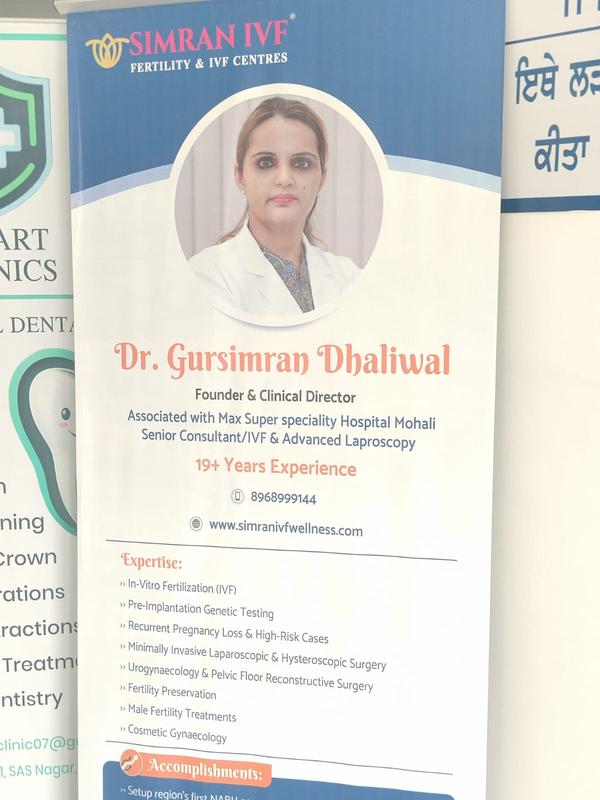
Dr Gursimran Dhaliwal

Dr Gursimran Dhaliwal

MS (Obstertrics& Gynaecology) Fellowship RM/ IVF/ Advanced Laparoscopy

Phone +91-8899600001

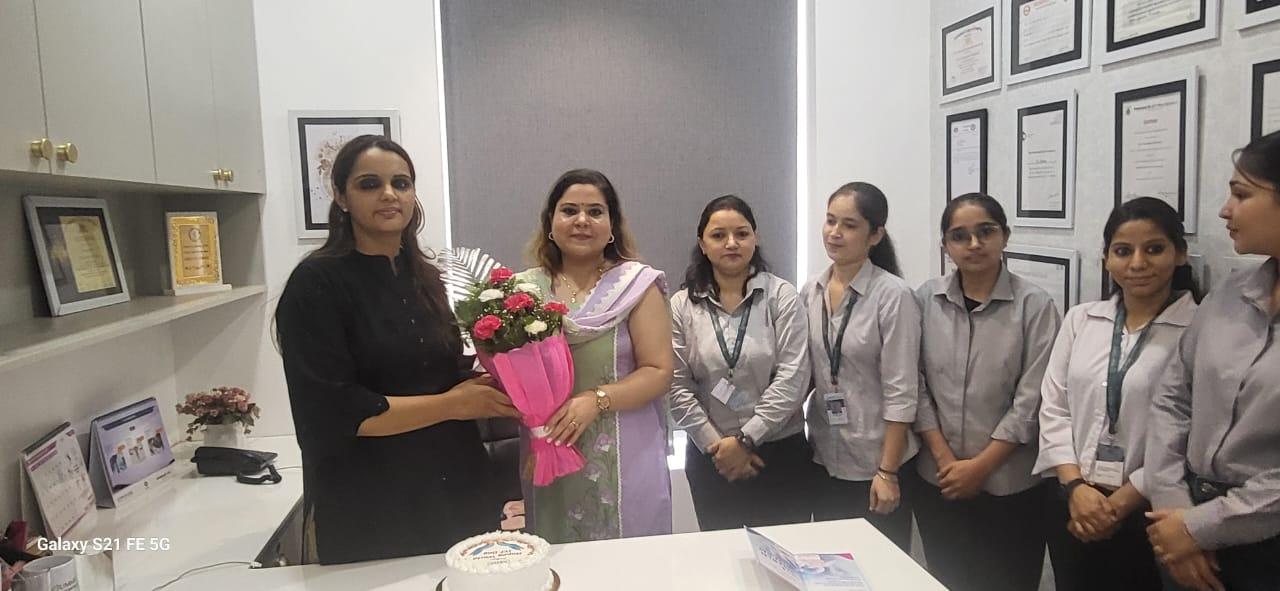
Our compassionate IVF nurses and coordinators guide patients at every step—from treatment planning to post-procedure care. They ensure smooth communication, emotional support, and strict adherence to medical protocols.

11, inside smart clinics, near chawla hospital, Phase 7, Sector 61, Mohali, Punjab 160055

Latest Update

Infertility Treatment in Mohali

It's Done!!

Your appointment is confirmed

Doctor Name:

Date & Time:

Contact:

Address: 11, inside smart clinics, near chawla hospital, Phase 7, Sector 61, Mohali, Punjab 160055

Appointment details has also been shared with you on your mobile number . Please arrive atleast ten minnutes ahead of the scheduled time.

treatments